Noise-Induced Hearing Loss: How Loud is Too Loud?
We rely on our ears every day, but did you know that everyday noise exposure could be silently damaging your hearing? From loud concerts and personal headphones to workplace noise, Noise-Induced Hearing Loss (NIHL) is becoming more common—often before people even realize it. In this blog, we break down how loud is too loud, early warning signs to watch for, and simple ways to protect your hearing before it’s too late. Your ears are designed to last a lifetime—let’s make sure they do!
Dr Anagha Deshmukh
3/10/20254 min read
Noise-induced hearing loss (NIHL) is exactly what it sounds like—hearing loss caused by exposure to loud noise.
But wait, aren’t our ears designed to hear? How does sound, something we rely on daily, end up harming our hearing?
To understand NIHL, we need to differentiate between sound and noise:
Sound is a vibration that travels through the air, is perceived by our ears, and is processed by our brain. It is typically pleasing, neutral, or structured, often following a rhythmic or constant pattern. Yes! Even our speech has rhythm, which helps us recognize and interpret sounds effectively.
Noise is an unwanted or unpleasant sound. generally varying pitch and high intensity, with no regular rhythm.
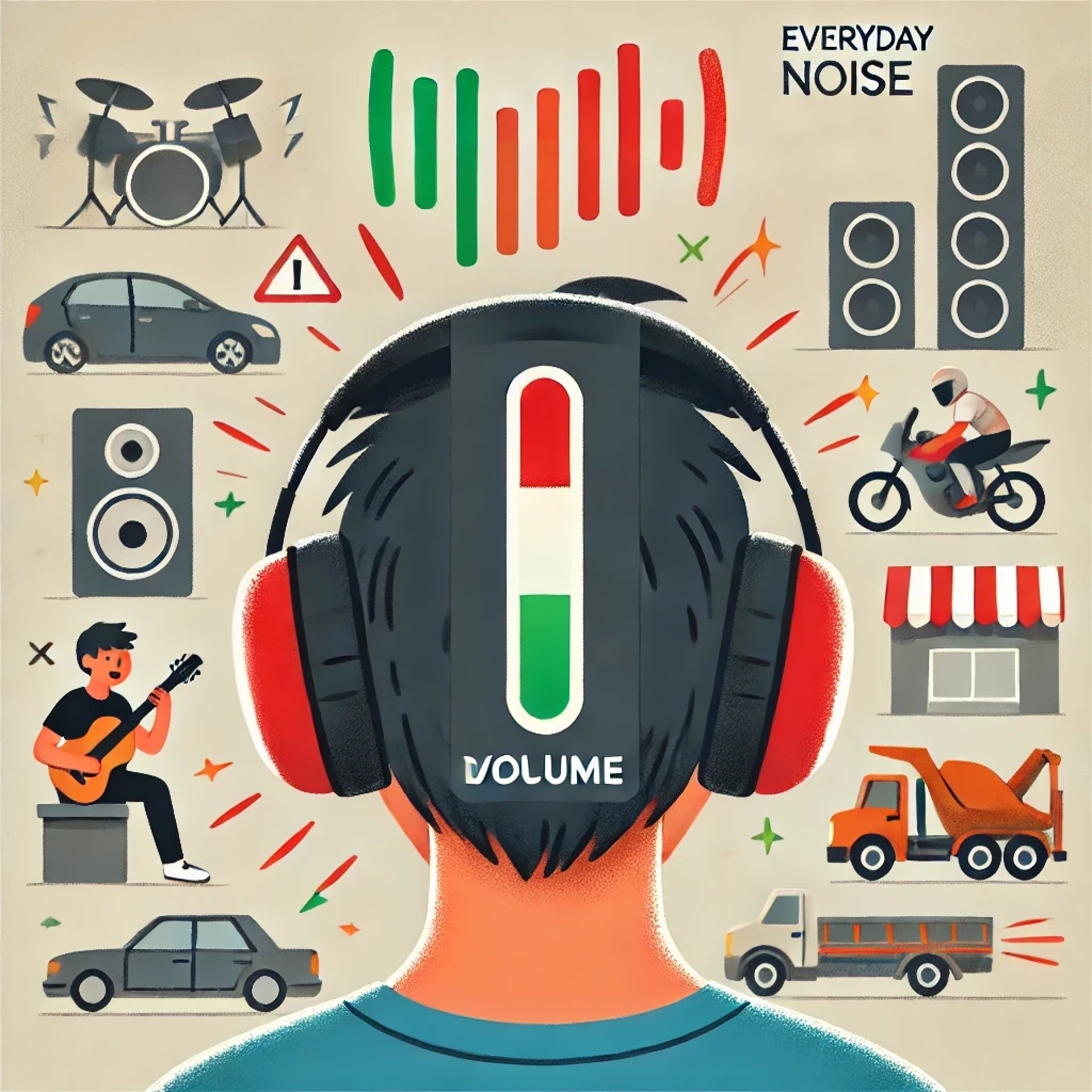
The louder the noise, the greater the risk to our ears. So, how much noise is too much? Let’s look at the sound levels that can harm your hearing.
How Loud is Too Loud?
The safety of sound exposure depends on intensity (measured in decibels, dB) and duration. Here’s the basic rule:
✅ Below 80 dB → Safe for prolonged exposure (e.g., normal conversation at 60 dB).
⚠️ 80–130 dB → Risk increases with intensity and duration.
❌ Above 130 dB → Immediate damage possible (e.g., jet engine or explosion).
Within safe exposure limits (below 80 dB), hearing loss is unlikely unless there are additional risk factors. However, exposure beyond safe limits over time increases the risk of NIHL.
Causes & Risk Factors
NIHL can result from different types of noise exposure:
1️⃣ Occupational NIHL
Repeated exposure in workplaces like factories, mines, and
construction sites.
You might be surprised to learn that a barista and a construction worker can face similar risks of noise exposure. While a construction worker encounters loud machinery in an open environment, a barista spends hours in a confined space with the constant hum of coffee grinders, blenders, and espresso machines. Some commercial grinders and mixers can reach noise levels of 100-110 dB, posing a significant risk over long shifts, especially without hearing protection. Unlike construction workers, baristas rarely use protective gear, making their exposure just as concerning.
2️⃣ Socioacousis (Non-Occupational Hearing Loss)
Everyday loud noises such as:
Loud music
Personal hearing devices (AirPods, headphones)
Concerts and parties
🚨 Yes, your AirPods at max volume could be a culprit!
3️⃣ Acoustic Trauma
A single exposure to an extremely loud noise (e.g., explosion, gunshot) can cause immediate, irreversible damage.
Workplace Regulations for NIHL Prevention
Governments have implemented rules to protect workers from NIHL, such as:
✔ Use of noise-cancellation headphones or earplugs
✔ Routine audiometry tests to detect early hearing loss
✔ Compensation and insurance coverage for occupational NIHL
With personal audio devices, concerts, and entertainment venues reaching dangerously high decibel levels, noise exposure has become a daily concern.
📢 Younger individuals are developing hearing loss earlier due to prolonged exposure to unsafe sound levels.
Unlike occupational NIHL, which takes years to develop, socioacousis is a silent epidemic creeping up on us much earlier than expected. This highlights the urgent need for awareness and prevention before permanent damage occurs.
Symptoms & Early Detection
🚨 Watch Out for These Warning Signs:
Tinnitus (ringing in the ears): one of the earliest warning signs.
Unclear speech perception: You may hear people talking but struggle to understand them, especially in noisy environments.
Noise intolerance: Normal sounds may start feeling unbearably loud.
Hearing loss: Over time, the damage becomes more noticeable.
Why is early testing important?
NIHL is a sensorineural type of hearing loss, meaning it affects the inner ear’s nerve cells.
🕒 Early-stage NIHL may be temporary (recoverable within 3 days to 3 months), but prolonged exposure leads to permanent damage.
Gold Standard Test: Audiometry
Audiometry evaluates:
📌 The degree and type of hearing loss
📌 Whether the damage is temporary or permanent
Most NIHL cases show high-frequency hearing loss (3000–6000 Hz) before affecting speech frequencies (500–3000 Hz). This makes early detection difficult, as speech remains unaffected in the beginning.
Prevention: The Only Cure!
Since NIHL is often irreversible, prevention is the best solution.
🛠 Occupational Prevention
Noise-Cancellation Devices: Earplugs, earmuffs, and electronic noise-canceling headphones.
Noise Monitoring: OSHA recommends exposure limits of 85 dB for an 8-hour work shift.
Take Breaks: For every 3-5 dB above 85 dB, the recommended exposure time is cut in half.
Regular Check-Ups: Annual audiograms can catch damage before it's too late.
🎧 Socioacoustic Prevention
Limit Volume on Personal Devices: Keep it below 80 dB. If someone else can hear your music through your headphones, it’s too loud.
Avoid Extended Exposure: If you're in a loud environment, take frequent breaks.
Follow the 60/60 Rule: Listen at 60% of the max volume for no more than 60 minutes at a time.
Management of NIHL
Since permanent hearing loss has no cure, management focuses on:
✅ Preventing further damage
✅ Improving hearing quality
Non-Specific Management
Avoid further noise exposure: identify and eliminate noise sources.
Reduce background noise: Create a quieter environment for better hearing.
Face-to-face communication: lip-reading and facial cues help comprehension.
Medical Management
Corticosteroids: If diagnosed early, they help reduce inflammation and damage.
Antioxidants & multivitamins may slow down neuronal degeneration.
Supportive Management
Hearing Aids: The go-to solution for improving hearing ability.
Professional Guidance: Audiologists and ENT specialists can help find the right hearing aid for your needs.
Final Thoughts
NIHL is 100% preventable, but once it sets in, it’s often permanent.
Hearing loss doesn’t happen overnight—it builds up slowly, making it easy to ignore until it’s too late.
Take Action Today:
✔ Keep the volume below 80 dB when using personal devices.
✔ Use ear protection in loud environments.
✔ Take listening breaks to reduce exposure.
✔ Get regular audiometry tests for early detection.
🔊 Your ears are designed to last a lifetime—make sure they do.


